Molded cable, technically termed an over-molded or injection-molded cable assembly, represents a sophisticated integration of conductive elements and polymer engineering. Molded cable is a type of cable assembly where the flexible plastic material, such as polyurethane, PVC, or thermoplastic TPE, is permanently molded over the cable’s junctions, or around the terminated connectors.
There are various purposes of selecting molded cable.
Strain Relief
Strain relief absorbs physical stress, preventing wires from being pulled out of the connector. It works by adding a flexible, robust buffer between the flexible cable and the rigid housing. The key principle is to gradually stiffen the cable, so that any force is dissipated over a longer section and not concentrated on a single weak spot.
Enhanced Durability
The molded cable provides exceptional protection from physical impact, chemicals, vibration, moisture, dust, general wear and tear, and other various environmental threats. Its molded casing serves as a durable shield, guaranteeing reliable and long-term performance even under demanding conditions.
Improved Reliability
By securing connections and sealing out environmental factors, it significantly reduces the risk of failure. The reliability of molded cables is crucial in a wide range of applications, and their performance may vary depending on the context. We will investigate how the selection of molded cable affect reliability across different industries and operating environments.
Custom Shapes
The molding can be designed into specific ergonomic or functional shapes for easier handling or integration. The molded exterior offers a sleek and refined look, making molded cable ideal for applications where visual appeal is important.
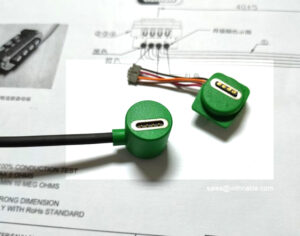
In short, molded cable is a rugged, one-piece construction that makes a cable assembly much more robust and reliable for demanding applications.